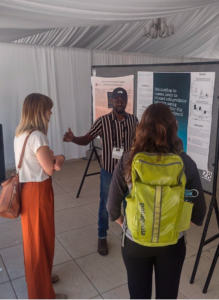
Comprehensive programs designed to build conservation capacity and protect African wildlife through education, research, and community engagement.
Online training
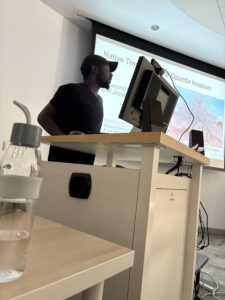
We bridge the gap between theory and practice through a comprehensive digital curriculum. Our training combines live webinars featuring global conservation experts with asynchronous short courses designed for self-paced learning.
1. Core Curriculum: Master best practices in ecological data management, statistical analysis, modern field methods, grant writing, and science communication.
2. Accessibility: All content is delivered via Zoom, YouTube, and interactive online materials, ensuring high-quality conservation education is accessible to every student, anywhere.
3. Expert Insight: Our webinars regularly host guest speakers who are leading the way in African ecology and wildlife management.
School visits
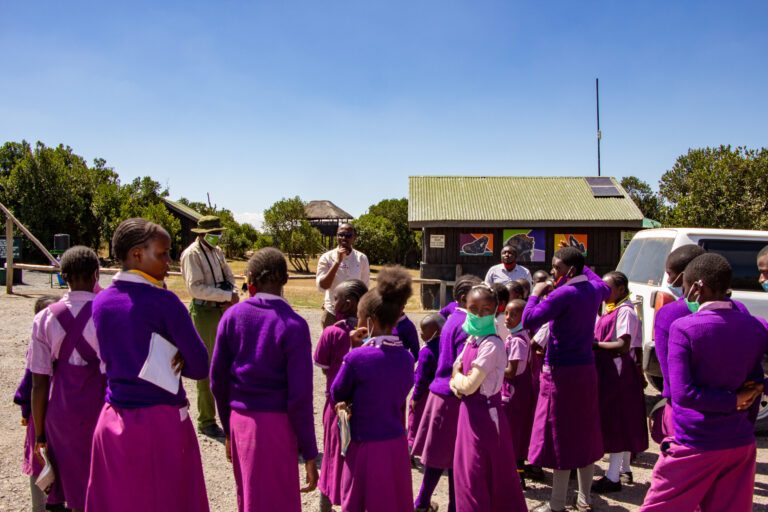
We believe that the future of African biodiversity rests in the hands of its youth. Our school visit program is a strategic outreach initiative designed to bridge the gap between classroom curiosity and professional expertise. By engaging students at every level of their educational journey, we demystify the world of ecology and provide a clear roadmap for the conservation leaders of tomorrow.
1. Primary & High School: Igniting Passion: We move beyond the textbook to show students the cool side of conservation. Through interactive sessions, we introduce them to the daily lives of wildlife researchers and resource managers, proving that a career in nature is not just a dream, but a viable and exciting professional path.
2. University & College: Transitioning to Professionals: For students already pursuing related degrees, we serve as a professional bridge. We share real-world experience on the journey to graduate school, explore diverse career specializations, and connect students with industry career fairs. We ensure that their academic knowledge is matched by a realistic understanding of the conservation landscape.
3. Professional Readiness Workshops: Success in conservation requires more than just biological knowledge. During every visit, we host rapid-impact sessions focused on CV development, professional networking, and portfolio building, specifically tailored to help students stand out in a competitive global market.
Field experiments
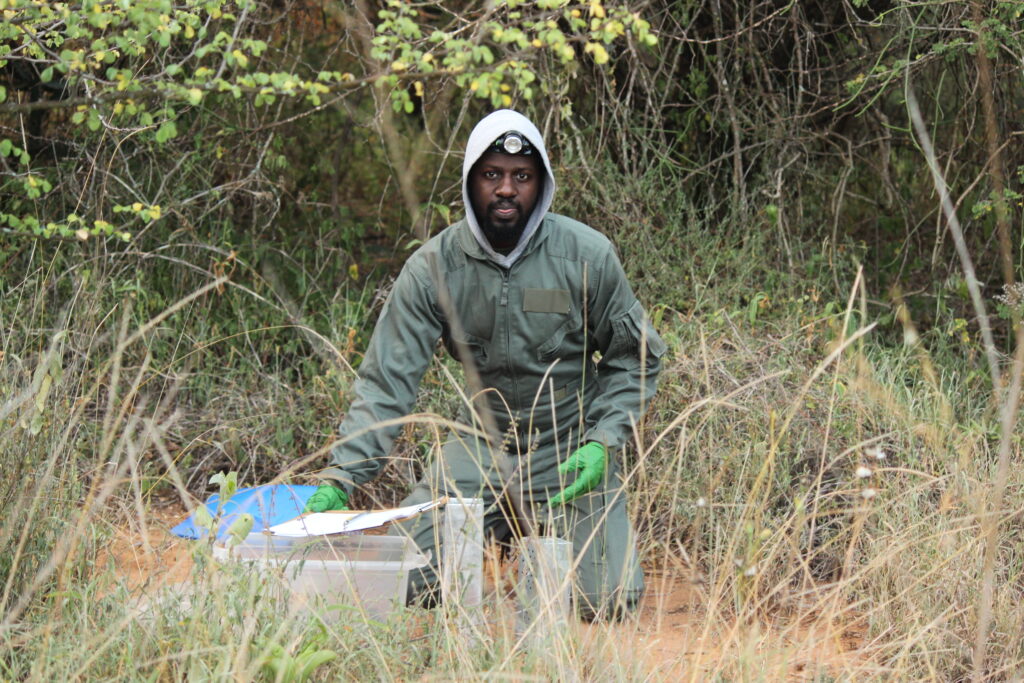
We host biannual field training sessions to bridge the gap between classroom learning and real-world application. These intensive field trainings are designed to give students the technical skills required for professional success in the field.
1. Full Research Cycle: Students don’t just watch; they lead. Participants learn to design studies, collect field data, run analyses, and communicate their findings.
2. Targeted Mentorship: While open to many, these sessions are specifically tailored for Masters students and final-year Undergraduates to prepare them for immediate entry into research or the workforce.
Science communication
We believe that conservation science belongs to everyone. Our communication strategy is two-fold: high-level academic rigor and accessible local impact.
1. Academic Excellence: We guide and support students in the pursuit of peer-reviewed publications, ensuring African research contributes to the global scientific body of knowledge.
2. Community Impact: We distill complex scientific ideas into manageable, applicable steps for ordinary people. By translating data into practical action, we empower local communities to lead their own conservation efforts.
3. Global Platforms: Through online conferences, field blogs, and a vibrant social media presence, we amplify African voices and foster a culture of open-access data sharing.