Comprehensive programs designed to build conservation capacity and protect African wildlife through education, research, and community engagement.
Chronic underfunding and a focus on theory over practice leave many African conservation students ill-prepared for the field. Graduates often struggle to find paid work, while Master’s and Doctorate students trapped by rigid timelines and a desperate search for grants are forced to prioritize administrative survival over quality research. This cycle creates a critical shortage of qualified local experts, leaving African wildlife protection dangerously dependent on foreign-led initiatives. We provide the practical training and mentorship needed to bridge this gap and empower homegrown conservation leadership.
Mentorship
We offer three distinct pathways designed to support conservationists at every stage of their journey. Whether you need a technical boost or long-term career guidance, our mentorship is mentee-driven and focused on local excellence
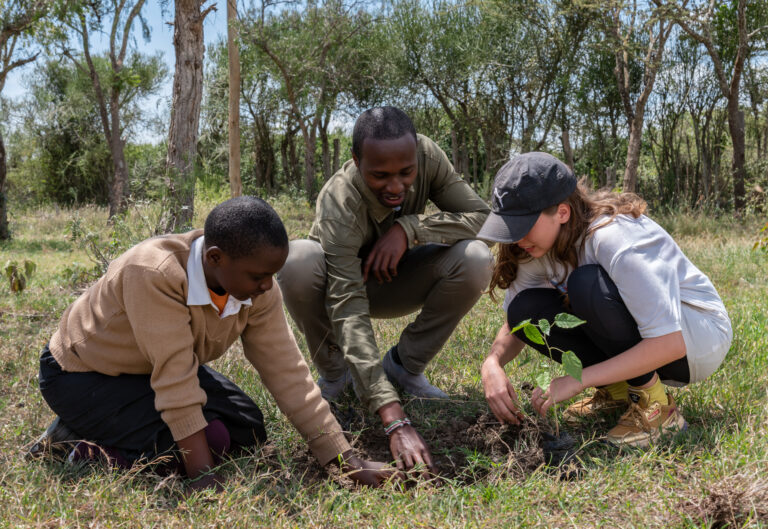
1. Awareness & Career Pathfinding (The Spark) This is our broadest outreach effort, designed to ignite a passion for conservation in the next generation. We visit primary schools, high schools, and universities to share what we do and show that a career in conservation is possible. Through career fairs, conference tabling, and office hours, we provide the initial guidance and counseling needed to help people visualize their future in the field.
2. Peer-to-Peer mentorship Built specifically for graduate students, this platform allows you to trade skills with your colleagues. It is a space for peer checks on research design, data analysis, and manuscript reviews. If you are struggling with a skill someone else has mastered, this network ensures no student has to produce research in isolation.
3. Fledgling Mentorship (Pathfinding) This is our most engaging program, pairing you with a professional at least one step ahead in their career. Your mentor helps you navigate the unwritten rules of conservation and discover your specific path. Because our mentors are dedicated volunteers, onboarding for this program depends on current mentor availability.
Student training
We offer targeted, interactive workshops designed to bridge the gap between academic theory and career readiness. Our classroom-based modules focus on equipping students with the essential technical tools, professional skills, and networking opportunities needed to excel in the conservation sector
1. Applied Biostatistics & Data Literacy: Master practical data analysis using essential software like R and GIS. Learn how to systematically organize raw field numbers, interpret ecological trends, and turn data into actionable project insights.
2. Ecological Sampling & Field Techniques: Learn the foundational methodologies for surveying wildlife and habitats. This classroom-focused module covers standard protocols for biodiversity assessments, line transects, and vegetation sampling before applying them in the field.
3. Career Strategy & Graduate School Readiness: Navigate the transition to employment or advanced academia. Learn how to draft competitive CVs, write compelling personal statements for MSc/PhD applications, find graduate advisors, and market your technical skills.
4. Institutional Networking & Career Fairs: Gain direct access to dedicated events designed to connect you with prospective employers and academic recruiters. Engage face-to-face with wildlife authorities, local NGOs, and representatives from regional universities.
5. Research Mentorship & Collaborative Methods: Partner directly with active Masters and PhD researchers for peer-to-peer mentorship. Participate in short, focused field exercises immediately paired with classroom data analysis to experience the full research cycle.
Student research
Our mentors work alongside students to strengthen their research capabilities. We provide the technical support needed to ensure study designs, data collection, and analysis are both scientifically rigorous and ready for publication.
1. Scientific Design & Methodology: Master the fundamentals of experimental design and rigorous study planning to ensure your research yields reliable, defensible data.
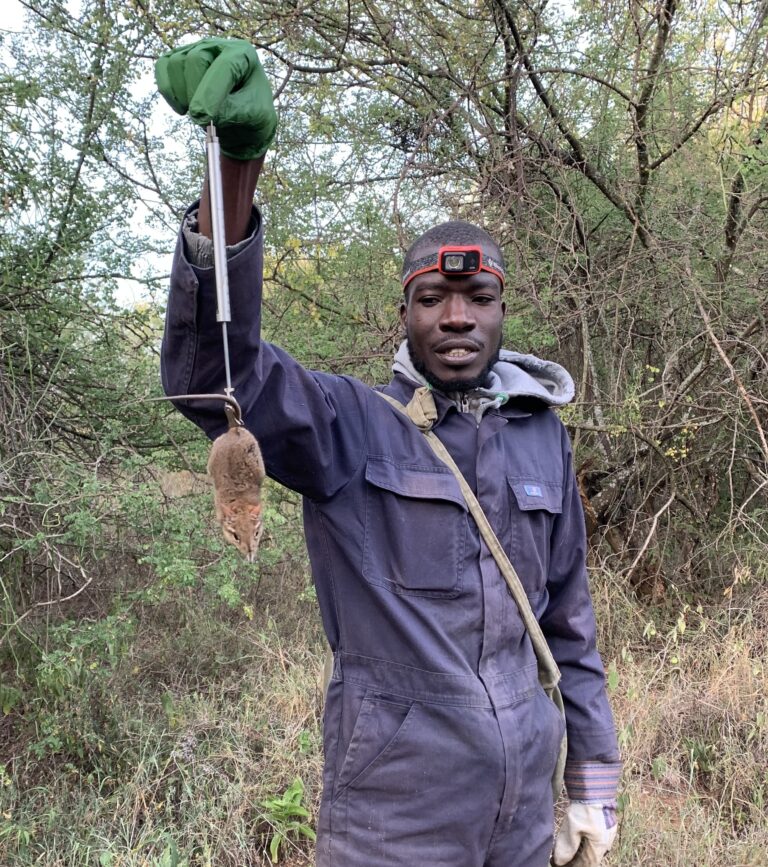
2. Precision Field Data Collection: Gain hands-on experience with specialized monitoring techniques, from non-invasive tracking to advanced spatial mapping, with a specific focus on the unique challenges of endangered species research.
3. Advanced Statistics & Reporting: Transition from raw data to actionable insights through training in statistical analysis and reproducible reporting. We focus on tools like R and GIS to help you communicate findings that influence policy.
4. Grant Writing & Sustainable Funding: Build the skills to secure your own research future. We provide expert guidance on identifying funding sources and crafting competitive grant proposals that stand out to global donors.
Community Outreach
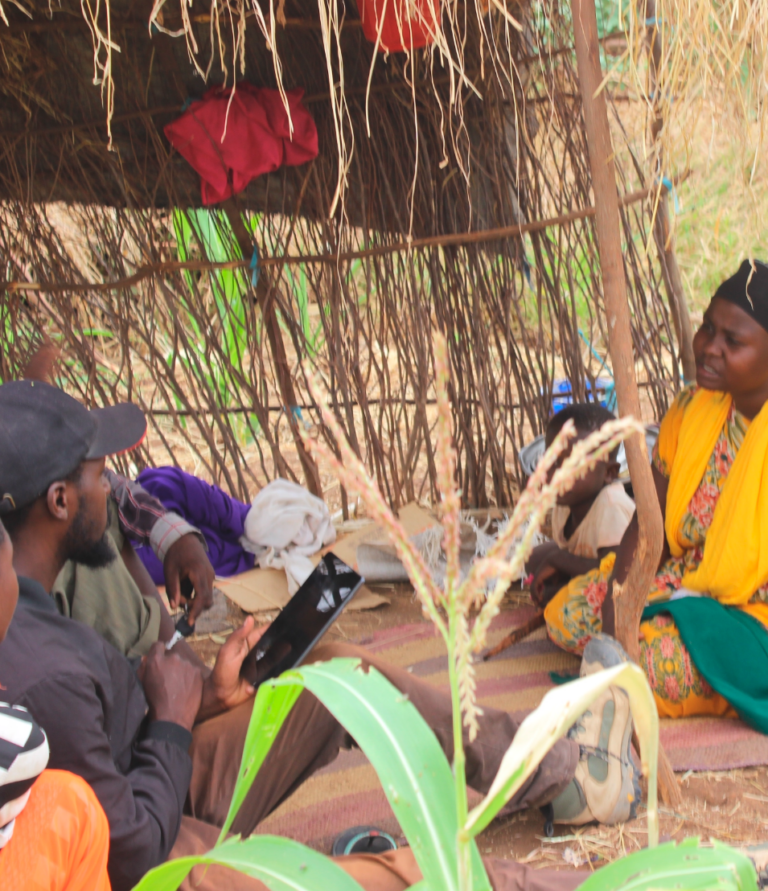
With over 70% of Kenya’s wildlife living outside protected areas, effective conservation must be community-led. We bridge the gap between research and action by deploying students to collaborate directly with local communities, developing evidence-based solutions for human-wildlife coexistence. By pairing scientific rigor with advanced technology, we empower local conservancies to lead their own protection efforts with homegrown strategies that ensure both people and wildlife thrive.
Our community-driven programs focus on:
1. Conflict Mitigation & Coexistence: Designing proactive interventions to minimize human-wildlife conflict and foster lasting regional tolerance.
2. Community-Led Conservation Education: Delivering targeted awareness programs to highlight the ecological and economic value of local wildlife.
3. Evidence-Based Field Solutions: Deploying tailored educational and operational programs derived directly from robust scientific research.
4. Advanced Technological Integration: Introducing innovative tech tools to help communities monitor, manage, and safely mitigate wildlife interactions.